Nickel-and-Dimed by Your Phone: The Sneaky Economics of 'Free' Mobile Games
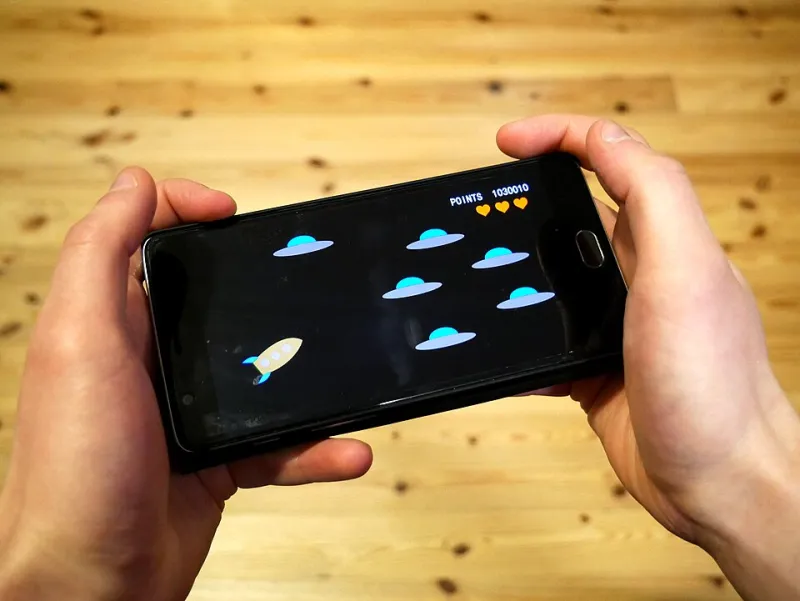
Photo: Santeri Viinamäki, CC BY-SA 4.0, via Wikimedia Commons
Here's a fun party trick for your next get-together: ask everyone to check their app store purchase history. Then watch the room go quiet.
Most Americans can tell you roughly what they spent on their last big console purchase. But ask them what they dropped on Candy Crush, Monopoly Go, or whatever match-three game they play in the school pickup line, and you'll get a shrug. That shrug is worth billions.
The Price Tag You Never See
The psychology here isn't complicated, but it is ruthlessly effective. When you buy a $70 game at GameStop or on the PlayStation Store, your brain treats it as a single, painful transaction. There's a moment — sometimes days of it — where you ask yourself if it was worth it.
Mobile games never give you that moment. Instead, they slice the cost into pieces so small your brain doesn't bother filing them. Ninety-nine cents for a energy refill. $4.99 for a gem bundle. $9.99 for a season pass that "saves you money." Each charge is less than a sandwich, so no mental alarm goes off.
But those alarms add up. A player spending $3 a week — barely enough for a coffee — is putting out around $150 a year. On a single game. Do that across two or three apps, and you're quietly funding a hobby that costs more than your Netflix, Spotify, and Hulu subscriptions combined.
Why 'Free' Is the Most Expensive Word in Gaming
The free-to-play model works because it flips the traditional sale. Console games have to convince you before you buy. Mobile games get you in the door first, then learn exactly which lever to pull.
And the levers are well-mapped. Limited-time offers create urgency. Streaks create sunk cost. Leaderboards among friends create status pressure. None of this is accidental — studios employ economists and behavioral analysts whose entire job is figuring out the precise moment you're most likely to tap "buy."
The results speak for themselves. Top-grossing mobile titles routinely out-earn theatrical blockbusters, and a huge share of that revenue comes from a small group of dedicated spenders. The rest of us — the ones who spend "just a little" — are the volume that keeps the machine humming.
The Subscription Trap Nobody Talks About
Here's where it gets sneakier: the season pass and the auto-renewing subscription. These are designed to be forgotten. You buy a pass in January, the app renews it in February, March, and beyond, and because each charge is small, it never rises to the level of "thing I should cancel."
Check your Apple or Google account subscriptions right now. Seriously — this article will still be here. A surprising number of people find two or three dormant gaming subscriptions they'd completely forgotten about, quietly billing $7.99 here and $9.99 there.
A Five-Minute Spending Audit
Want to know your real number? It takes less time than a coffee run:
- Open your purchase history. Apple users: Settings, then your name, then Media & Purchases. Android users: Google Play, then Payments & Subscriptions.
- Filter for the last 90 days and look only at game-related charges.
- Multiply by four. That's your annualized run rate for that app.
- Check subscriptions separately. Anything you haven't opened in a month is a cancel candidate.
If the number surprises you, don't panic — just set a monthly cap. Both Apple and Google let you set spending limits per app, and gift cards (yes, really) are a low-tech way to make mobile spending feel like spending again.
This Isn't an Anti-Fun Manifesto
Look — if you get genuine joy out of a game and you know what it costs, spend happily. Entertainment is entertainment. The problem isn't the money; it's the not-knowing.
The $70 console game asks you a hard question once. The free mobile game asks you a soft question every day. The players who come out ahead are simply the ones who've decided, on purpose, what their answer is.