Level 70 and Loving It: Inside the Online Guilds Run by America's Retirees
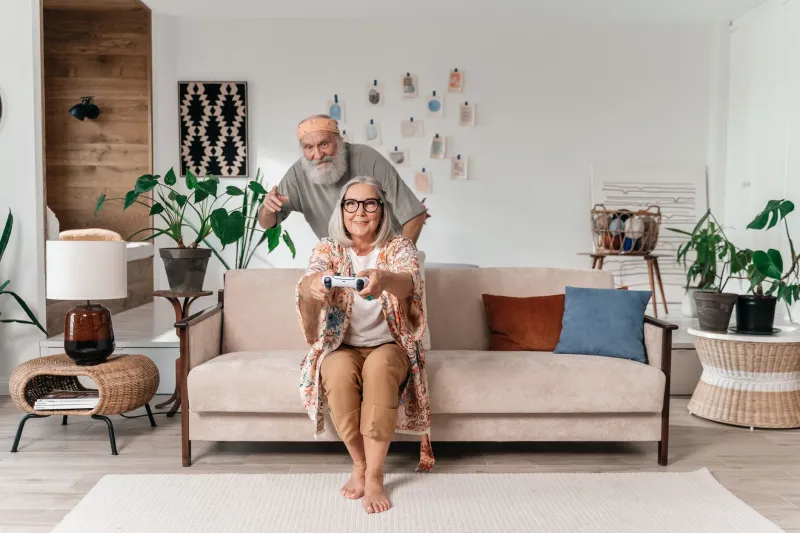
Every Tuesday and Thursday night, Diane from Tucson logs into her favorite online world at 7:45 sharp. She's 68, retired from a career in county administration, and by 8 p.m. she's leading a raid with nineteen other players — most of whom are also old enough to remember rotary phones. Nobody in her group calls it a gaming session. They call it game night.
Diane isn't an outlier. She's part of the fastest-growing gaming demographic in the United States, and honestly, the rest of the industry is only just now noticing.
The Numbers Nobody Saw Coming
Surveys from the Entertainment Software Association and AARP have been quietly documenting a shift for years: Americans over 60 now represent tens of millions of regular players, and a meaningful chunk of them game every single day. That's not the occasional solitaire session on a work laptop — we're talking dedicated hours, persistent online communities, and real friendships that spill over into phone calls, holiday cards, and the occasional in-person meetup.
What changed? A few things stacked up at once. The first computer-literate generation hit retirement age with time on its hands. Smartphones and tablets dropped the barrier to entry to basically zero. And games themselves got friendlier to shorter, more flexible play sessions — perfect for a lifestyle that no longer revolves around a work schedule but also isn't a vacation.
What They're Actually Playing
The cliché says older players stick to puzzle games and Candy Crush, and sure, match-three titles are popular. But spend any time in the communities and you'll find something much richer.
MMORPGs are a huge draw. Titles like World of Warcraft, Final Fantasy XIV, and Elder Scrolls Online are full of players in their 60s and 70s — some of whom have been in the same guild for over a decade. These games reward exactly what retirees have in abundance: patience, consistency, and social commitment. A raid schedule on a Tuesday night is just a standing appointment, and nobody keeps a standing appointment better than a retiree.
Beyond MMOs, the favorites skew toward games with depth and no twitch reflexes required: turn-based strategy, farming sims like Stardew Valley, city builders, word and trivia games, and increasingly, cozy co-op titles they can play with grandkids two states away. Animal Crossing became an unexpected lifeline during the pandemic for exactly this reason — grandparents and grandchildren meeting up on the same virtual island.
The Guild Is the Point
Ask these players why they game and you'll rarely hear about graphics or leaderboards. You'll hear about the people.
For many retirees, especially those living alone or far from family, an online guild functions like a third place — the coffee shop, the bowling league, the church group of a previous era. Members check in on each other's health. They notice when someone misses game night. There are documented cases of guildmates calling emergency services when a player went silent for days. That's not a gaming community; that's a support network with a health bar.
The health angle is real, too. Studies have repeatedly linked regular gaming in older adults to better cognitive sharpness, improved mood, and a stronger sense of social connection. One group of septuagenarian raiders put it more simply: "It keeps my brain from turning to mush, and I've got 20 friends I'd never have met otherwise."
What the Industry Keeps Getting Wrong
Here's the frustrating part: game companies still mostly market to this audience like they're a novelty or a nuisance.
The mistakes are predictable. Ads assume seniors only want "brain training" puzzles. Tutorials are either patronizingly simplistic or assume twenty years of gaming muscle memory. Interface fonts are tiny, menus are labyrinthine, and accessibility options — remappable controls, colorblind modes, adjustable text — are treated as bonus features rather than defaults. And the monetization? Aggressive battle passes and daily-login pressure are actively hostile to players who have zero interest in FOMO marketing. Retirees have time, not tolerance for dark patterns.
Meanwhile, the things that would actually win this audience over barely cost anything: bigger text options, slower-paced onboarding, voice chat that's easy to manage, and — above all — games designed around cooperation instead of competition. Nobody over 60 wants to get stomped by a 14-year-old with a 200-competitor lobby. They want a garden to tend and a friend to tend it with.
Don't Call Them a Trend
The temptation is to treat older gamers as a feel-good story — and then go back to marketing everything to the same 18-to-34 demo as always. That would be a mistake. This generation has disposable income, decades of life left, and the single most valuable resource in gaming: time. While younger players juggle jobs and kids and play in stolen two-hour windows, retirees can actually finish the 80-hour RPG.
So the next time you get matched with a player whose username references a classic rock band and whose mic sounds like a warm cup of coffee, don't be surprised. There's a decent chance they've got better attendance than you, a calmer head in a boss fight, and a guild that considers family.
Game night is game night. Diane wouldn't miss it.