Gone But Not Forgotten: The Underground Economy Keeping Delisted Games Alive
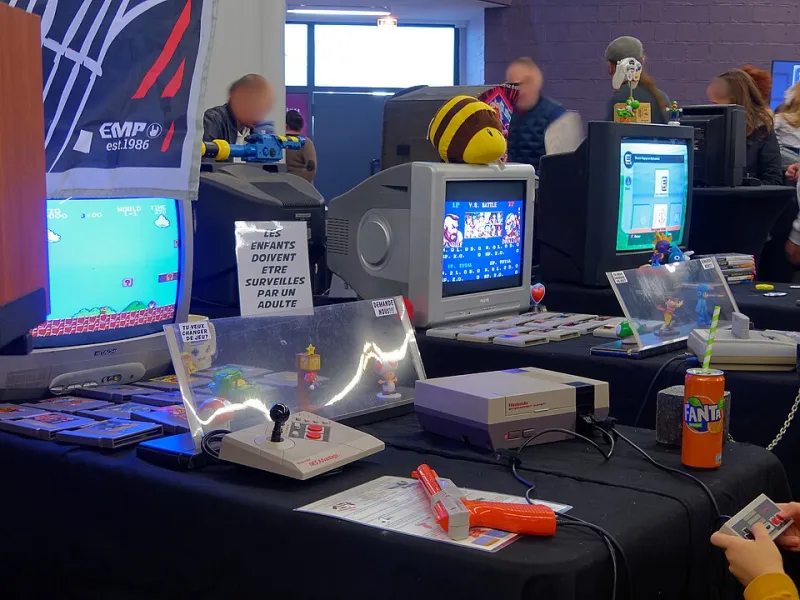
Photo: Thomas Bresson, CC BY 4.0, via Wikimedia Commons
Imagine waking up one morning, opening your favorite digital storefront, and finding that a game you've loved for years has simply disappeared. No sale. No final discount. Just a dead listing where something great used to be. For a lot of players, that's not a hypothetical — it's Tuesday.
Delisted games have become one of gaming's messiest, most frustrating ongoing stories. And the more titles that vanish, the more creative — and legally murky — the response from fans becomes.
Why Games Disappear in the First Place
Most delisting comes down to one thing: licenses. Sports games are the biggest casualty here. Titles like the classic NCAA Football series, older NHL games, and a long string of FIFA editions get pulled regularly because the contracts covering real-world athletes, teams, and music eventually expire. When the paperwork runs out and nobody wants to pay to renew it, the game goes dark.
But licensed sports franchises aren't the only victims. Music-heavy games like the Rock Band and Guitar Hero catalogs have seen massive culls tied to song licensing. Movie tie-in games vanish when studio deals lapse. Even some indie titles quietly disappear when developers shut down or publishing agreements fall apart.
The brutal reality is that digital storefronts were never really designed with permanence in mind. When you "buy" a digital game, you're purchasing a license to access it — and that license is only as stable as the business relationships holding it together.
The Physical Copy Gold Rush
Here's where things get interesting. The moment a game gets delisted — or even rumored to be heading for delisting — something predictable happens on eBay, Facebook Marketplace, and collector forums: prices spike.
Take NCAA Football 14 for Xbox 360. For years, it sat in bargain bins. After EA's deal with the NCAA expired and the series went dark, that same disc started fetching $60, then $80, then north of $100. Today, sealed copies regularly sell for well over $150. A game that once cost the same as any other new release has become a collector's artifact — not because the gameplay changed, but because legal access to it effectively ended.
The same pattern plays out across dozens of titles. Older Transformers games, the Scott Pilgrim vs. the World beat-'em-up (which did eventually return, but spent years in limbo), various wrestling titles tied to specific rosters — all of them created micro-economies the moment they disappeared from storefronts.
For collectors, this is catnip. For average players who just want to replay something they loved, it's a wall.
Emulation: The Ethical Gray Zone Nobody Agrees On
When physical copies become unaffordable and digital versions are gone, a lot of players turn to emulation. And this is where the conversation gets complicated fast.
Emulation itself — running game software through a program that mimics old hardware — is generally considered legal in the US. Actually obtaining the ROM files to run through those emulators is where the legal ground gets shaky. The long-standing "personal backup" argument holds that if you own a physical copy, making a digital backup for your own use is defensible. But most people using emulators aren't ripping their own discs. They're downloading files from sites that exist in a persistent legal gray zone.
The gaming preservation community argues — with some real moral weight — that if a game is commercially unavailable and has been abandoned by its rights holders, downloading it causes zero market harm. The counter-argument from publishers is that copyright doesn't include an "unavailability" exemption. Both sides have a point, and neither is going away.
Organizations like the Video Game History Foundation have been pushing hard for policy changes that would give libraries and preservation archives more legal cover to maintain and provide access to out-of-print games. Progress has been slow, but the conversation is louder than it's ever been.
What Players Actually Lose
It's easy to frame delisting as a niche collector problem, but the cultural stakes are bigger than resale prices suggest.
Games document moments. Madden titles from specific years capture roster snapshots that sports fans genuinely treasure. Music games preserve a specific era of how people experienced songs together in living rooms. Movie tie-ins, however cheesy, are part of how certain films embedded themselves in pop culture. When those games vanish, a slice of shared experience goes with them.
There's also a practical creative loss. Developers, designers, and students studying game history increasingly find that significant portions of the medium's timeline are just inaccessible. You can walk into almost any library and read a book from 1987. Finding a legally playable version of a mid-tier Xbox 360 title from the same era? Good luck.
The Gray Market Gets Organized
Beyond eBay flipping, a more organized secondary market has developed around hard-to-find titles. Discord servers dedicated to specific delisted games. Reddit communities sharing sourcing tips. Retro game stores in cities across the US that have started stocking curated selections of delisted titles at premium prices, marketing them explicitly to buyers who know what they're looking for.
Some of this is straightforward collector culture — the same energy that drives vinyl record hunting or vintage sneaker markets. But some of it reflects genuine frustration with an industry that built itself on digital convenience and then demonstrated, repeatedly, that digital access isn't guaranteed.
A few publishers have responded by doing limited physical re-releases of previously digital-only titles, partly to capture collector demand and partly as a goodwill gesture. Limited Run Games has built an entire business model around this. But those runs are small, often expensive, and don't solve the broader access problem.
Where This Is Heading
The delisting problem isn't going to fix itself. As more games are released as digital-only titles — no disc, no cartridge, no physical fallback — the preservation gap is going to widen. A game that exists only as a file on a server owned by a company that may not exist in ten years is, practically speaking, temporary.
What would actually help? Clearer legal protections for preservation archives. More publisher commitment to maintaining back catalogs, even if it means renegotiating old licenses. Better transparency about when and why games are being pulled, so players have a chance to grab them before they're gone.
Until that happens, the underground economy around delisted games will keep growing. Collectors will keep paying absurd prices for old discs. Emulation sites will keep operating in the legal margins. And players who just want to revisit something they loved will keep running into walls that shouldn't exist.
The games are still out there. Getting to them legally is just becoming a puzzle that fewer people can solve.